Our Feature in The Economist – And Why We Feel It Missed the Mark

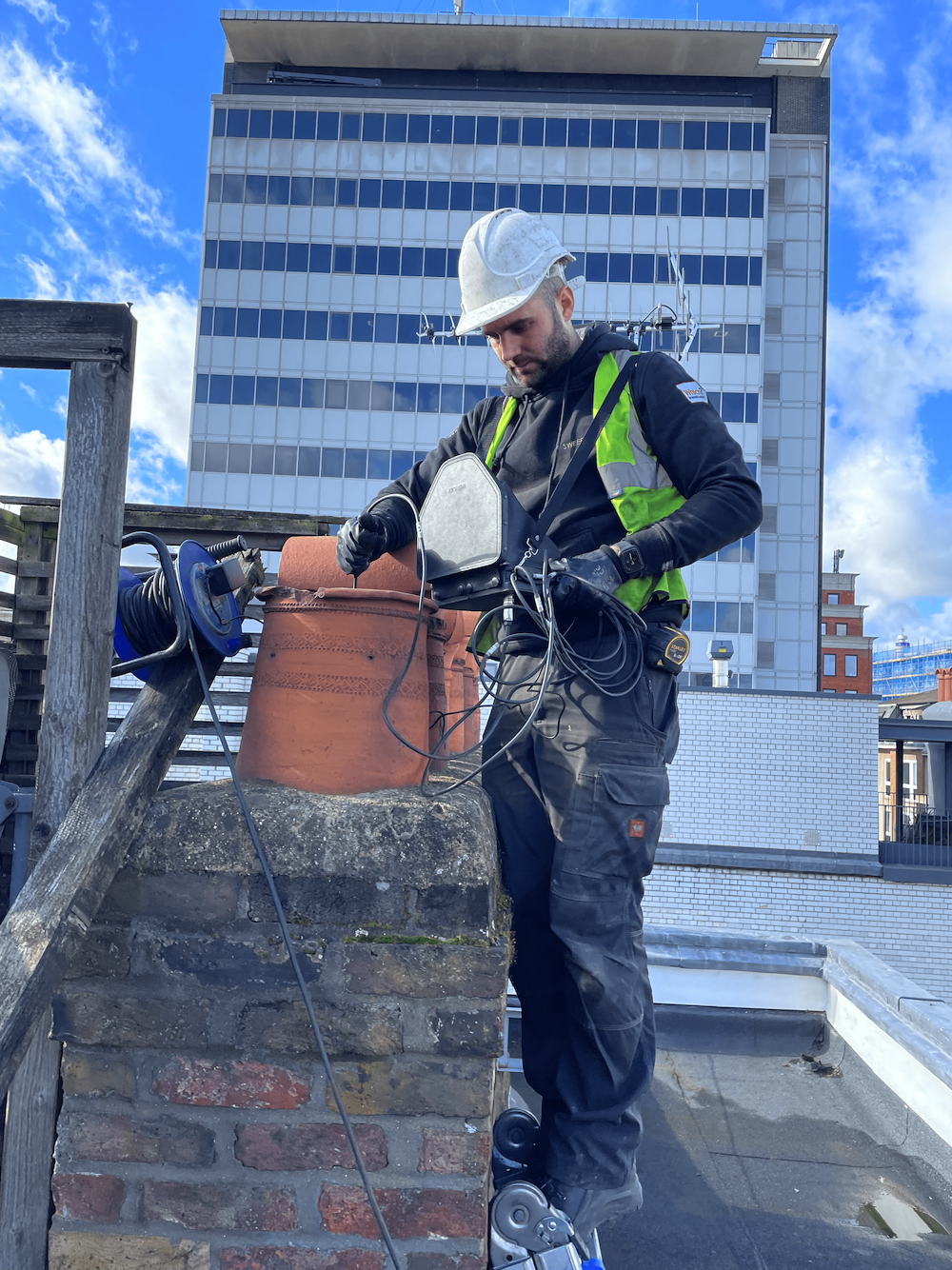
We were recently featured in an article that examined the resurgence of chimney sweeping and the increasing demand for wood-burning stoves across the UK.
On one hand, it was reassuring to see the trade acknowledged. The article highlights how demand has grown, how the industry has evolved, and the challenges of expanding a seasonal business—points we discussed openly and accurately.
However, we were disappointed with how aspects of the broader narrative around wood burning and emissions were presented. Despite taking time during the interview to explain key points, some important context was lost, which, in our view, could mislead readers.
This isn’t about dismissing concerns over air quality—those are valid and important. But it is about ensuring the discussion remains balanced, accurate, and based on proper context.
The “20% Emissions” Claim – Missing Context
One of the key figures in the article states that domestic wood burning accounts for around 20% of the UK’s PM2.5 emissions.
This figure is widely quoted in media and policy discussions but is often misunderstood.
A few key points that are rarely explained:
– The 20% figure covers all domestic burning, not just wood-burning stoves.
– It includes open fires, bonfires, barbecues, pizza ovens, and other forms of combustion.
– Non-wood sources within domestic settings can also contribute to this figure.
– The number is based on modelling and estimates, not direct measurement.
PM2.5 is very challenging to attribute precisely to specific sources. Unlike CO₂ from a chimney, particulate matter disperses and mixes in the atmosphere, so source attribution relies heavily on assumptions and modelling.
Consequently, while the 20% figure is broadly useful for policy purposes, presenting it without context—especially as a shorthand for “wood-burning stoves”—can be misleading.

What About Modern Wood-Burning Stoves?
There is a significant difference between older, inefficient methods and modern, properly installed appliances.
Industry data and emissions testing suggest that modern, Ecodesign-compliant wood-burning stoves—used correctly—contribute a much lower amount:
– Typically around 1–2% of total PM2.5 emissions.
– Based on modern appliances, correct fuel, and proper installation.
– Supported by improved combustion technology and stricter regulations.
That distinction is important.
Combining open fires, poor burning practices, and outdated appliances with modern systems creates an inaccurate picture of today’s industry.
A Broader Emissions Discussion
Focusing heavily on domestic burning can skew the overall conversation about air quality.
PM2.5 emissions originate from a wide range of sources, including:
– Road transport (including brake and tyre wear, not just exhausts)
– Construction dust
– Industrial processes
– Agriculture
– Imported pollution from outside the UK
When domestic burning is singled out and presented as a headline figure, it risks oversimplifying a complex, multi-source issue.

Renewable Fuel and Energy Independence
An often-overlooked aspect in these discussions is the role of wood as a renewable, local energy resource.
Unlike fossil fuels, which depend on global supply chains and are influenced by geopolitical factors, wood can be sourced, processed, and used within the UK.
We have seen firsthand how external factors impact energy prices:
– COVID disrupted global supply chains and increased costs.
– The war in Ukraine caused significant spikes in gas and electricity prices.
– Ongoing global tensions continue to affect energy stability.
These are outside the control of homeowners.
Wood offers a degree of energy independence that few other fuels can provide.
Trees are managed across the UK—whether through forestry work, safety removals, or land maintenance. This material doesn’t go to waste; it can be processed into a renewable, usable fuel. With responsible woodland management and replanting, this becomes part of a sustainable cycle.
It also enhances resilience.
If power outages or supply disruptions occur, a properly installed stove provides homeowners with a reliable heat source. This level of independence has become increasingly valued.
Focusing solely on a single emissions figure—especially one lacking context—misses a broader, more meaningful conversation about sustainability, resilience, and energy security.

Our Comments on “Air Conditioning”
The article mentions that we are “training to clean air conditioning,” which could be misinterpreted as a move away from chimney work due to environmental concerns.
That is not correct.
To clarify:
– Our core work remains chimney sweeping, inspections, and installations.
– Demand is highly seasonal, peaking in colder months.
– Like many in our industry, we are exploring ways to keep our team employed year-round.
– Diversifying into complementary services is for stability, not a shift in stance on wood burning.
This is a practical decision—no reflection on emissions or regulation.
A Balanced Perspective
We support responsible use of wood-burning appliances, proper regulation, and ongoing improvements in emissions standards.
We also believe:
– Customers deserve clear, accurate information.
– Modern appliances should not be judged by outdated standards.
– The discussion about air quality must consider all contributing factors.
– Renewable, local fuels should be part of the long-term energy debate.
The chimney and stove industry has made significant progress over the past decade. Improvements in technology, training, and standards should be part of the conversation.
Final Remarks
We are proud of our feature and our role in a trade that has evolved and grown.
But when important context is missing, it’s right to clarify it.
If you are thinking about installing a stove, already have one, or simply want honest advice about your chimney or appliance, we are always happy to help.


Related Posts